


After testing and identifying the causative agent of the disease, antibiotics are prescribed to treat cystitis.Tests are also conducted to determine the bacteria's susceptibility to various drugs.Based on the information received, doctors develop a treatment plan necessary to effectively fight the infection and prevent serious complications.

efficiency
Pathogenic microorganisms can develop resistance to various drugs, so modern antibiotics have a wide range of effects and can eliminate almost all pathogenic microorganisms.The most popular drug is fosfomycin.
This antibacterial agent is available in powder form.This ensures its high bioavailability.Active substances destroy bacterial cells and relieve the main symptoms of infection.Fosfomycin has a broad spectrum of action and few side effects and is used to treat various forms of cystitis.
acute phase
If an acute inflammatory process occurs in the bladder, it is necessary to quickly stop the growth of pathogenic flora and prevent the disease from becoming chronic.For this purpose, modern antibiotics, which have proven to be effective, are used.
For acute cystitis, Monural is usually prescribed.Its main components can accumulate in urinary system tissues and maintain therapeutic effects for a long time.For uncomplicated infections, one application is enough.
for chronic
If you have chronic cystitis, antimicrobial drugs should be chosen more carefully based on test data.Based on the bacterium's sensitivity to various substances, doctors determine the drug's name, release form, and dosage.
There is blood
When inflammation of the bladder mucosa is accompanied by bleeding, the patient usually needs to be hospitalized and given antibiotics.Hemorrhagic cystitis causes great harm to health.Therefore, the treatment process is carried out in the hospital under the supervision of a doctor.
Fluoroquinolones
In the comprehensive treatment of cystitis, fluoroquinolones are often used.These are synthetic broad-spectrum antibiotics that interrupt DNA synthesis in pathogenic bacteria.
Most fluoroquinolones are effective against Gram-negative pathogens.At the same time, Gram-positive microorganisms such as Streptococci, Enterococci and Pneumococci, as well as anaerobic bacteria, show resistance to these substances.
Norfloxacin and ofloxacin are used to treat cystitis and other urinary tract infections.This tablet has many contraindications.It is not suitable for use by children under 18 years old, pregnant and lactating women, and patients with renal, hepatic and cardiovascular dysfunction.
Cephalosporins
Cephalosporins include fifth-generation drugs that destroy the cell walls of bacteria.Medications come in many forms: tablets, solutions, powders for injection, and suspensions.The drug is characterized by relatively low toxicity.In some cases, such antibiotics are even prescribed to young children.
Side effects of cephalosporins often include nausea, vomiting, or allergic skin reactions.For cystitis, your doctor may prescribe cephalexin monohydrate, cefixime, cefaclor, or ceftriaxone.
Penicillins
The list of drugs included in the penicillin group is quite extensive, since this type of antibiotics was created earlier than other antibiotics.The drug affects enzymes needed to synthesize the infectious agent's cell wall.However, a large number of pathogenic microbial flora have developed resistance to penicillin.Therefore, these drugs are used less and less to treat inflammatory processes in the urinary system.For cystitis, ampicillin or amoxicillin may be prescribed.
Hydroxyquinolines
8-Hydroxyquinoline derivatives have strong antibacterial effects.These compounds interfere with the synthesis of DNA gyrase in Gram-positive and Gram-negative bacteria, preventing their further reproduction.Nitroquinoline belongs to the hydroxyquinoline class and is used in the complex treatment of cystitis.
This drug is prescribed when other drug treatments have not brought positive results.This antibiotic has many contraindications and can cause serious side effects, so its use without medical advice is strictly prohibited.
Quinolones
Quinolones with bactericidal action are created on the basis of nalidixic acid and pipemidic acid.
This family of drugs has been shown to be effective urinary tract antiseptics and is therefore often used to treat cystitis and other urinary tract infections.However, not all pathogens are susceptible to these antibiotics, so you should check before starting treatment.
Nitrofurans
A class of synthetic antibacterial agents called nitrofurans includes popular tablets such as nitrofurantoin and furazine. These drugs contain active ingredients that are rapidly absorbed from the gastrointestinal tract into the blood, penetrate into the lesion and accumulate in the urine and kidneys.Medications can stop the growth of bacteria and destroy them.The difficulty with using nitrofurans is that these drugs can cause adverse reactions in the body.
macrolides
Macrolides are naturally derived and have minimal toxic effects on the human body, so they are considered the safest antibacterial drugs for the treatment of cystitis.
For inflammation of the bladder mucosa, tablets such as roxithromycin and azithromycin are effective.Their active components disrupt the synthesis of special enzymes in bacterial ribosomes.As a result, pathogenic microorganisms, including intracellular microorganisms, die.Macrolides can also stimulate the body's immune response.
Tetracyclines
Tetracycline antibiotics can damage bacterial cell membranes.These drugs are active against Gram-positive aerobic pathogens.Tetracycline drugs are effective against certain Gram-negative and anaerobic infections.
However, the scope of action of antibiotics is quite narrow compared to other drugs in this pharmaceutical field.Therefore, tetracycline is only prescribed after test results are received.Doxycycline is most commonly used to treat cystitis.
Levomycin
The main active ingredient contained in chloramphenicol drugs is an ingredient with the same properties as the natural antibiotic chloramphenicol.Levomycin and its analogues are effective against a variety of pathogenic microbiota.Antibiotics have bacteriostatic effects.
However, many UTI pathogens have become resistant to chloramphenicol.In addition, the drug has many contraindications.Therefore, for the treatment of cystitis, levomycin is used only if other drug treatments have not produced positive results.
herbal therapy
To treat inflammatory processes in the organs of the urinary system, plant medicines are used.
Natural cranberry-based remedies are very effective for urinary tract infections.Berries have antiseptic and diuretic properties and help strengthen the immune system.
Contraindications
Antibiotics are powerful drugs with many contraindications.Using medications without consulting your doctor may cause serious health consequences.During the treatment of infectious lesions of the bladder, the recommendations of the urologist should be strictly adhered to, as well as the dosage and duration of use of prescribed drugs.
during pregnancy
During pregnancy, most antibiotics are contraindicated because the active ingredients penetrate the placental barrier and may cause fetal malformations.During pregnancy, herbal medicines are often prescribed.Doctors will choose an antibacterial drug individually for pregnant women if the benefit to the mother outweighs the potential risk to the child.

while breastfeeding
Harsh drugs are also prohibited during breastfeeding.Antibiotics used to treat cystitis in women may harm the baby if the active substances are excreted in breast milk.It is recommended to switch the child to artificial nutrition throughout the treatment period.
for children
Antibacterial agents should not be given to children without consulting a doctor.Many medications are contraindicated at a young age.In addition, in most cases the dosage of the drug is calculated based on the child's weight.
For men
When doctors choose antibiotics, they consider not only the course of the disease, but also the patient's overall health.
Many medications are contraindicated in men with acute hepatic, cardiovascular, and renal failure, cerebral atherosclerosis, and other serious conditions.Some antibiotics can negatively affect potency and reproductive function.This must be taken into consideration when taking the medication.
complication
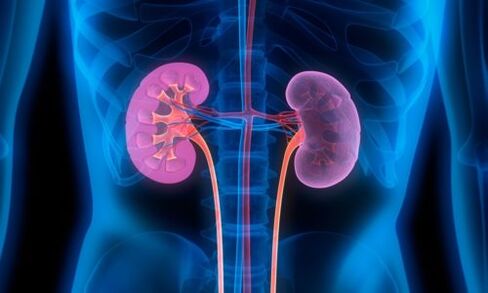
When the bladder becomes inflamed, there is a risk of complications affecting all pelvic organs.The infection can penetrate the kidneys and cause severe pyelonephritis.Bacterial infections of the urinary tract are dangerous for women due to various inflammatory diseases of the reproductive organs.
If the patient does not follow the doctor's recommendations regarding the dosage of the drug and the duration of the course of treatment, the pathogenic flora causing the infection can become resistant to the drug and become chronic.It is extremely difficult to completely cure cystitis in this case.Chronic infections can lead to body intoxication and weakened immunity.
Comment
The best way to treat cystitis at home is to drink fosfomycin.All you need is a packet of powder.The next day, there were no symptoms.There are no side effects either.If I hadn't tried it myself, I wouldn't have believed that I could be free of pain, itchiness, and frequent trips to the bathroom in just one day.This product is expensive, but effective.
Inexpensive products also work well against infections.Fosfomycin and ofloxacin demonstrated this again.I took antibiotics as recommended by my doctor and then took herbal medicine to enhance the effects.The inflammatory symptoms passed quickly and I stopped running to the bathroom every half hour and returned to my normal life.I only need to take a course of probiotics to avoid dysbiosis.I didn't notice any further side effects.